
Biomarker Testing for Cardiac Arrest Risk Stratification
A biomarker test for an enzyme, protein, or hormone for the heart is…
Biomarker Testing for Cardiac Arrest Risk Stratification Read More »
A biomarker test for an enzyme, protein, or hormone for the heart is…
Biomarker Testing for Cardiac Arrest Risk Stratification Read More »
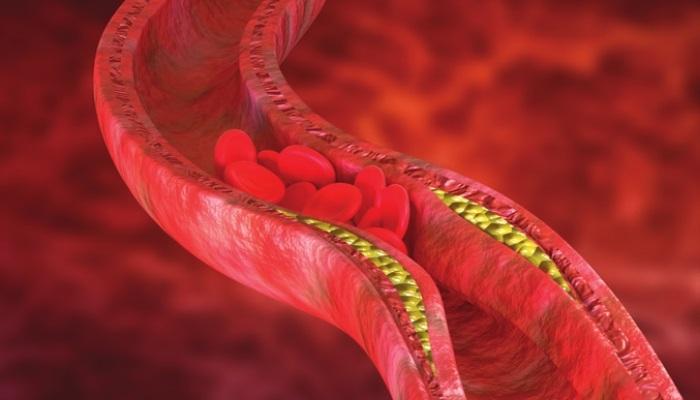
Cardiovascular disease (CVD) is one of the leading causes of death worldwide…
New Medications for Cholesterol Regulation Read More »

Monogenic diabetes is a rare condition which is caused due to…
Genetics of Monogenic Diabetes Read More »
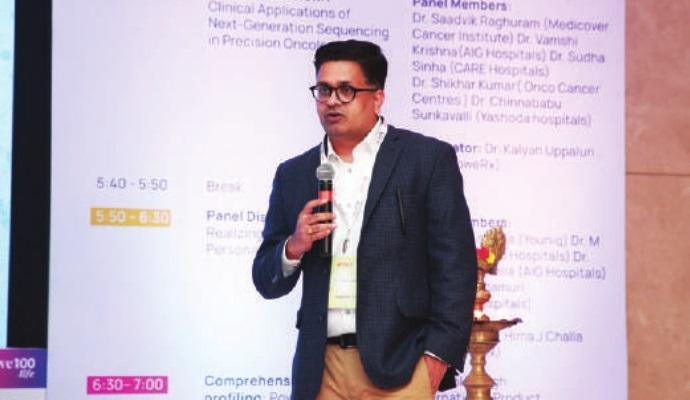
BRCA1 and BRCA2 Screening & Prognosis The first question from the audience concerned BRCA1 and BRCA2, as there are two schools of thought and people in the medical fraternity consider one as a screening and the other as a review, where when treatment is started, BRCA1 and BRCA2 are considered to see the prognosis. Is
Q & A session : BRCA1 and BRCA2 Screening & Prognosis Read More »

There’s simply no way any person can be abreast of all the knowledge. We need to interact with people; we cannot sit alone in a clinic and treat anymore. We need to consult with the pathologist, molecular oncologist, pharmacist, and others. We have to get patients into clinical trials, get patients into drugs that will
Cancer News Updates Everyday – Unending Information & Discoveries Read More »

Clinical Applications of Next-Generation Sequencing in Precision Oncology The panel members included: Dr. Saadvik Raghuram, a renowned oncologist at Medicover Cancer Institutes who completed his MBBS from JSS Medical College and DM in Medical Oncology and MD in Radiation Oncology; Dr. Vamshi Krishna, AIG Hospitals; Dr. Sudha Sinha, CARE Hospitals; Dr. Shrikar Kumar, Onco Cancer
Panel Discussion: 1 Read More »
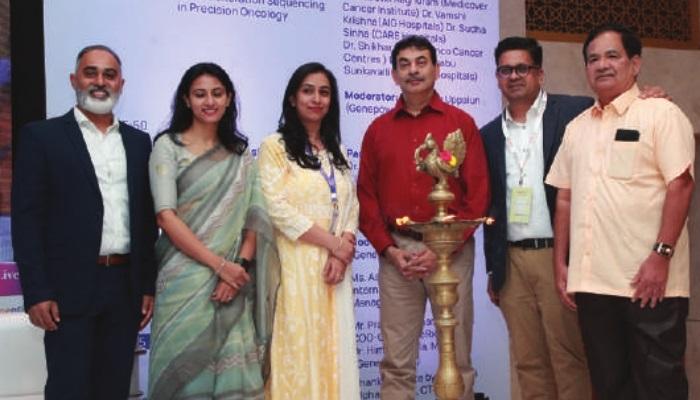
The session began with a brief presentation by Dr. Kalyan Uppaluri, Managing Director, K&H Personalized Medicine, on how and why to incorporate molecular biology and genetic science into clinical practice, supported by a few figures. Medicines Still Under Trial for Chronic Conditions According to global research, there were 767 medicines in phases I, II, and
Meeting Unmet Medical Needs – Genomic Medicine By Dr. Kalyan and Dr. Hima Read More »

Mr. Jayesh Ranjan, IAS and Advisor for IT Government of Telangana, addressed the delegation at the ATCG Life Knowledge Meet on October 29th, 2022, at Hotel Daspalla. He spoke about the need for medical institutions like Yashoda, AIG, and CARE Hospitals to take the initiative to guide the industry. He also discussed the challenges for
Words of Wisdom by Mr. Jayesh Ranjan Read More »

According to a study conducted by Oregon State University, patients of cystic fibrosis can benefit greatly by taking vitamin C and E supplements as these help in reducing inflammation and related oxidative stress. The findings of the study were published in the journal, Nutrients. Cystic fibrosis is a genetic disease marked by lung inflammation and
Vitamin C and E supplementation can reduce inflammation in cystic fibrosis patients Read More »

The findings of a recent study suggest that blood omega-3 fatty acid (FA) is inversely related to inflammatory gene expression (IGE) inn multiple sclerosis (MS). The results of the study were published in the journal, Nutrients. It included 1353 participants from 13 cohort between the time frame of 3 to 144 weeks. The results obtained